 info@furious-project.eu


Every 5 June, the world marks World Environment Day. From a letter sent by Sweden to the UN in 1968 to the #NowForClimate campaign of 2026.
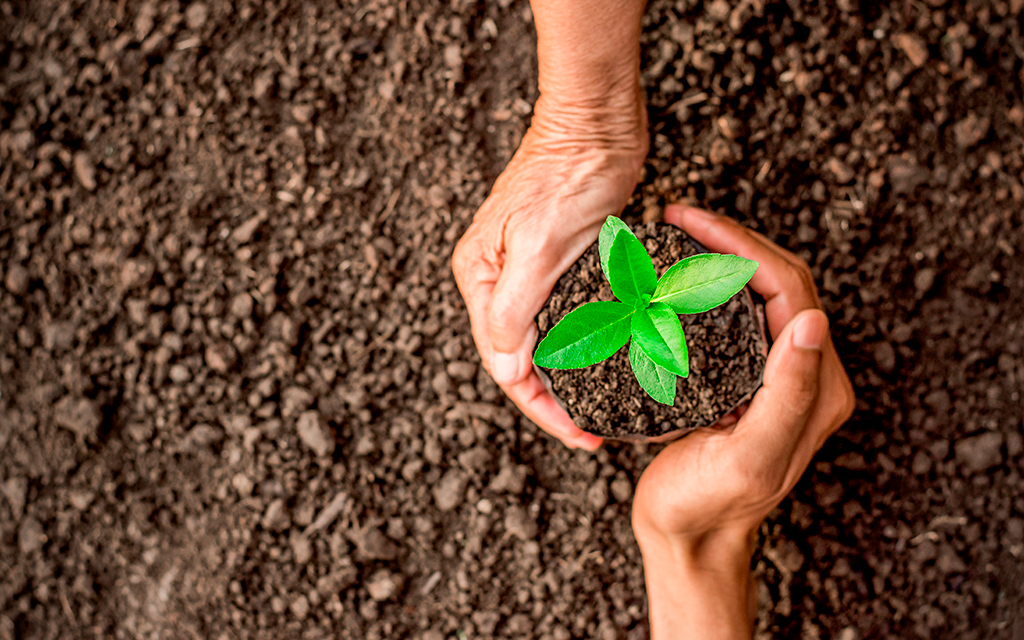
We recently saw that human concern for the environment is as old as the hills. In the 1960s, the environmental movement began to gain traction, as reflected in publications such as Rachel Carson’s “Silent Spring” (1962) and Garret Hardin’s “The Tragedy of the Commons” (1968).
Today we are focusing on the event that gave us World Environment Day every 5 June. It was 1968 (yes, still in the 1960s) when the Swedish government sent a letter to the UN proposing an international conference, warning that human impact on the natural environment had become urgent and required global cooperation. A few years later (moving into the 1970s), the Stockholm Conference took place in 1972 (formally known as the United Nations Conference on the Human Environment): the first major summit to address environmental challenges and the impact of human activity. From that moment (technically from 1973), every 5 June has been World Environment Day. The United Nations Environment Programme (UNEP) was also created as part of the same effort.
But wait – what is exactly the environment?
Definitions vary, but they tend to share a common thread. The environment is understood as the global surroundings encompassing physical, chemical and biological factors, artificial elements and sociocultural factors that interact with each other, shaping the conditions for all living beings. UNEP is the institution responsible for protecting it a global level.
From 1972 to today
Concern for the environment doesn’t only live in conference rooms, it shows up in everyday decisions too. Taking public transport, improving the energy efficiency of our homes (good for the planet ant the wallet, a genuine win-win), choosing more sustainable food, buying more consciously and making things last longer. Small steps but multiplied by millions of people they add up.
Since Stockholm, key milestones have shaped the global environmental agenda: the Nairobi Meeting (1982), the Brundtland Report and the concept of sustainable development (1987), the Rio Earth Summit (1992), the Kyoto protocol (1997) and the Paris Agreement (2015).
And today
World Environment Day 2026 (5 June) focuses on the fight against climate change under the motto #NowForClimate, a global call for immediate climate action, urging mitigation of climate impacts, reduction of environmental degradation and transformation of the systems that underpin our economies.
At FURIOUS, we think about this challenge from a materials perspective. The plastics we use every day, in packaging, in cars, in sensors monitoring our oceans, have a significant environmental footprint. Our work on bio-based high-performance and recyclable furan-based biopolymers is one piece of a much larger puzzle. We have already started sharing more about the specific applications we are developing, and there is more to come.